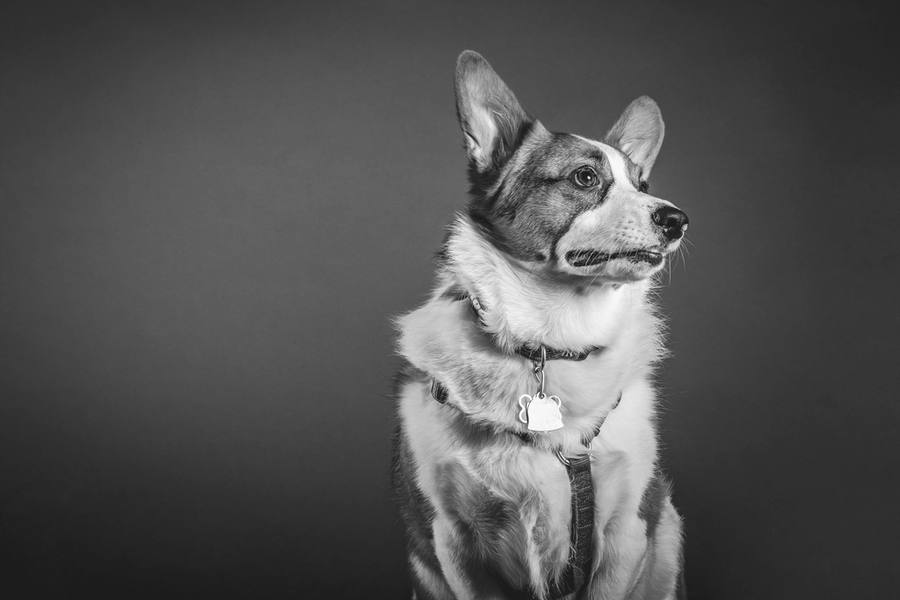
Kurgo Tru-Fit Crash-Tested Dog Harness

Representative image (stock photo); not the exact product.
Two Jobs, One Harness
An unrestrained dog in a car is a danger to itself and to everyone else in the vehicle — in a collision it becomes a projectile, and in a minor incident it can prevent emergency access or bolt into traffic.
The Tru-Fit is a conventional walking harness with a steel nesting buckle and an included tether that loops through the seatbelt, so the same harness serves for the walk and the drive.
That dual purpose is genuinely convenient, because a separate car harness means changing equipment at the car door every time, which in practice means people do not bother.
What Crash Tested Means
The harness has been crash tested at a recognised facility to a defined standard, which distinguishes it from the large number of car harnesses that make safety claims without any testing at all.
It is worth understanding what the test covers: a harness restraining a dummy of a given weight in a frontal impact. It does not mean a dog will be unharmed, and it does not extend to weights above the tested range.
Matching the harness size and rating to your dog's actual weight is therefore essential rather than approximate, and an oversized harness on a smaller dog is not safer.
Fit, Comfort And The Tether
Fit is adjustable at five points, which is generous, and there is a chest plate that spreads load in an impact rather than concentrating it on straps.
For walking, the padding is adequate rather than plush and there is a front attachment point, so it functions as a reasonable everyday no-pull harness too.
The tether should be kept short. A long tether allows the dog to reach the footwells and reduces the restraint's effectiveness in an impact, and the correct length keeps the dog seated and unable to move far.
Against The Alternatives
Against a crash-tested travel crate, a crate is generally regarded as the safest option for a dog in a car, and it takes up a boot. A harness and tether is the practical compromise for back-seat travel.
Against a boot guard or barrier, a barrier keeps the dog out of the cabin and does not restrain it in an impact.
Against untested car harnesses, the difference is whether the safety claim means anything, and many of them are simply walking harnesses with a loop sewn on.
Who Should Not Buy It
Anyone who can use a crash-tested crate in the boot should consider that instead, as it is generally the safer arrangement.
Anyone whose dog exceeds the tested weight range should not rely on the crash rating, which does not extend beyond it.
Anyone wanting maximum walking comfort for long daily wear will find better-padded harnesses, since this one is a compromise between two jobs.
The Verdict
A sensible dual-purpose harness that is genuinely crash tested rather than merely claimed to be safe, and that removes the excuse for travelling with an unrestrained dog.
Crash testing has defined limits, the padding is a compromise, and a crate remains the safer option where one fits.
Match the size to your dog's actual weight and keep the tether short — both matter more than the purchase itself.
At a glance
Pros
- Genuinely crash tested to a defined standard
- Same harness serves for walking and car travel
- Five-point adjustment and a load-spreading chest plate
- Front attachment point works as a no-pull harness
Cons
- Crash rating does not extend beyond the tested weight range
- Padding is a compromise between walking and restraint
- A crash-tested crate is generally safer where one fits
- Tether must be kept short to be effective
Frequently asked questions
What does crash tested actually mean here?
That the harness restrained a dummy of a given weight in a frontal impact at a recognised facility. It does not guarantee a dog is unharmed, and it does not apply above the tested weight range — so size and rating must match your dog rather than approximately fit.
Is a crate safer than a harness?
A crash-tested crate in the boot is generally considered the safer arrangement. A harness and tether is the practical option for back-seat travel and for cars without a suitable boot, and it is vastly better than nothing.
How long should the tether be?
Short — long enough for the dog to sit and lie down, not long enough to reach the footwells or move between seats. A long tether reduces the restraint's effectiveness in an impact and defeats much of the point.
Specifications
| Crash tested | Yes, to a defined standard |
| Adjustment | Five points |
| Chest plate | Load spreading |
| Buckle | Steel nesting |
| Tether | Included; loops through seatbelt |
| Walking attachment | Front and back |
| Weight range | Match to dog exactly |
| Padding | Adequate |
The bottom line
Genuinely crash tested rather than merely marketed as safe, and it works for walking too. Match the size to your dog's weight exactly and keep the tether short.
Check Price on Amazon